A new definition of success
Matt Birkhold
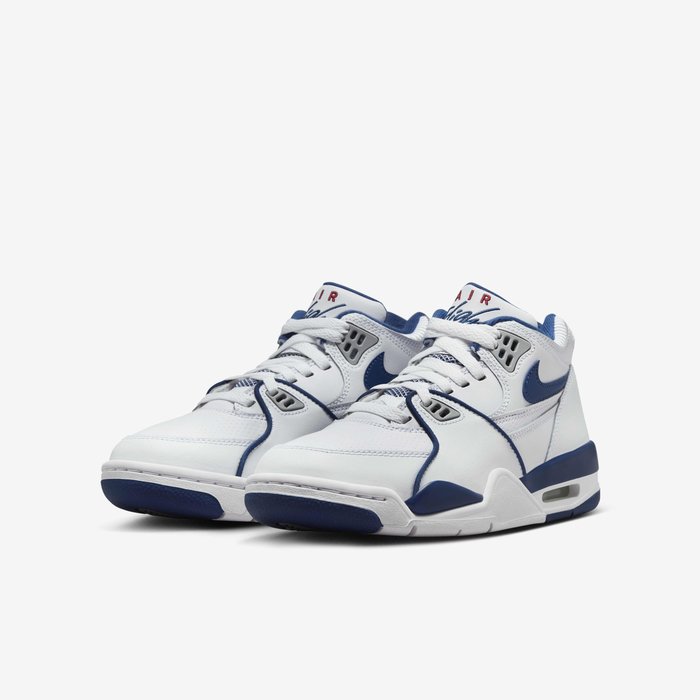
The summer before I entered the fourth grade, I had to have a pair of Nike Airs. It was 1989. Nike commercials with Bo Jackson were everywhere. The slogan Just Do It had been like oxygen for about a year. I begged my mother. She said no. They were too expensive. I learned that they were $50. “What if I pay for half?,” I asked (I have no idea where I would have gotten $25 at 10, by the way). She relented on the condition that I pay half. We went to the shoe store. I tried them on. I felt transformed.
I took them home. I still remember taking them out of the box. The first day of school, I wore them and I felt like somebody. Everyone who had on Nike’s recognized each other. I had Air Flights, Justin Page had Air Jordans. He was higher in the hierarchy than me but we had mutual respect for each other. We clicked instantly and talked about shoes and NWAs album Straight Outta Compton.
It’s been 36 years and I can’t believe that I still remember these details. Those shoes made me feel like I mattered. They gave me an identity. Everyone who wore Nike’s that year–or British Knight’s–was automatically somebody, for at least the first few weeks of school. The feeling may not have lasted, but for at least those first few weeks, we were somebody.
Humans have a need to know that who we are matters. It’s a symptom of our nonmaterial need for identity. The way we meet that need is shaped by the economic system that determines how we meet our material needs. If we live in an economy that guarantees housing or food, it creates a specific set of conditions under which we develop an identity. If our economy doesn’t guarantee housing or food, it also creates a specific set of conditions under which we develop an identity.
Patriarchal racial capitalism (PRC) creates conditions where it becomes really easy for our identity to get tied up with money and buying things. When we don’t have money, a job, or look fly, it’s really easy to feel insecure. And how could it not be? Signs that who we are doesn’t matter are everywhere. We might not see them but the underlying message is clear: “You need money to survive. Money isn’t guaranteed. So, to survive, you better hustle. You better grind. You better compete. You better hoard” PRC makes it reasonable to fear that we might starve or be homeless if we don’t have access to money.
This is not a system that facilitates a sense of internal security. It's a system that facilitates collective trauma. To cope with that trauma and secure existence, we compete, we hoard, we buy, we hide things about ourselves that make us feel insecure. How well we maladapt to the collective trauma caused by the norms of PRC largely determines how successful we’ll be.
To exist differently, we need a new definition of success. A definition that makes our nonmaterial needs for recognition, identity, and love, for example, as important as our material needs for survival. Under PRC, success is measured by economic stability and independence. If a person abuses their children or has terrible relationships, they aren’t necessarily unsuccessful, as long as they maintain financial independence or have done financially better than the people who raised them.
When we start to exist differently, that won’t be the case. Success will be measured by how people live their lives, the quality of their relationships, how they make people feel, and how well they respect life. To measure success this way means that processes are just as important, if not more important, than outcomes. Success, when we exist differently, will be measured by how well we exist, rather than by the quality of our outcomes.